Signs Your Commercial Concrete Slab Needs Mudjacking
If you notice cracks, sinking, or unevenness in your commercial concrete slab, local contractors specializing in mudjacking can help restore stability and safety.
Property owners in commercial settings often notice uneven or cracked concrete slabs over time, which can signal underlying issues that need attention. Recognizing signs your commercial concrete slab needs mudjacking is an important step in maintaining the safety, functionality, and appearance of a property. Local contractors experienced in slab leveling can assess these concerns and determine whether mudjacking is a suitable solution, helping to prevent further damage and costly repairs.
Keep reading to learn about common indicators that a concrete slab may require mudjacking, such as sinking, cracking, or uneven surfaces. Understanding these signs can empower property owners to take timely action, ensuring their surfaces remain stable and safe. Local service providers are equipped to handle these repairs efficiently, restoring the integrity of commercial concrete slabs and supporting the ongoing use of the space.
- Commercial parking lots - uneven or cracked slabs can indicate underlying settlement issues that local contractors can address with mudjacking.
- Loading docks - sinking or tilting concrete slabs near docks may require mudjacking to restore stability and prevent further damage.
- Sidewalks and walkways - uneven surfaces or trip hazards often signal the need for mudjacking services from nearby specialists.
- Entryways and ramps - signs of sinking or cracking in concrete slabs can be corrected through mudjacking performed by local service providers.
- Storage areas - sagging or uneven concrete surfaces might be signs that mudjacking is needed to maintain safety and functionality.
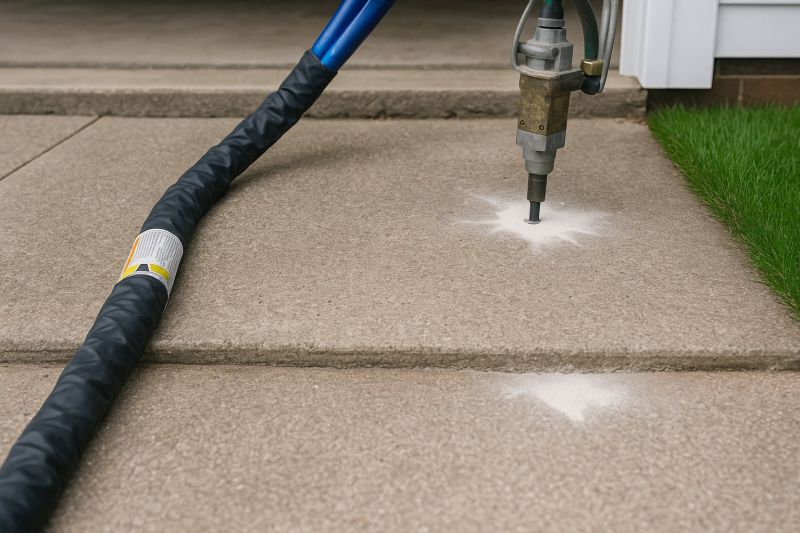
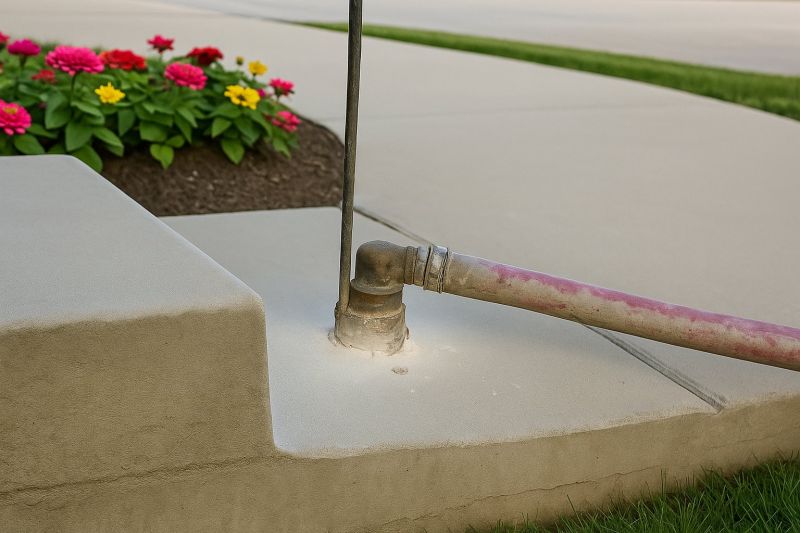
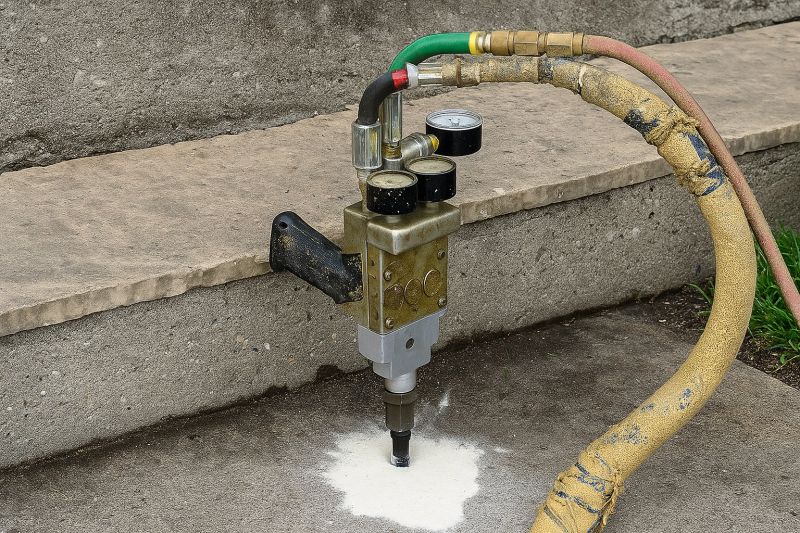
When searching for signs your commercial concrete slab needs mudjacking, property owners are often noticing visible issues that suggest the slab has shifted or settled over time. These signs can include uneven surfaces, cracks, or areas where the concrete appears to be sinking or tilting. Such problems are common in commercial settings where large, flat concrete areas like parking lots, walkways, loading docks, or warehouse floors are subject to constant use and environmental factors. Recognizing these signs early can help prevent further damage, safety hazards, and more costly repairs down the line. Local contractors specializing in mudjacking can assess these issues and determine if raising and leveling the slab is the appropriate solution.
These signs are typically related to structural stability and safety concerns. For example, a commercial concrete slab that has begun to crack or develop uneven spots can pose trip hazards for employees, customers, or visitors. Additionally, sinking slabs can cause equipment and vehicles to become unstable or difficult to operate safely. Property owners often search for this topic when they notice that their concrete surfaces are no longer level, or when cracks and shifts are starting to appear, indicating underlying soil settling or voids beneath the slab. Addressing these problems promptly with mudjacking can restore the integrity of the surface, helping to maintain a safe environment and prolong the lifespan of the concrete.
The types of properties that frequently encounter issues requiring mudjacking include retail centers, industrial facilities, office complexes, and apartment complexes. These properties often feature expansive concrete areas that endure heavy traffic, frequent loading and unloading, or exposure to weather elements. When slabs become uneven or start to sink, it can disrupt daily operations and create safety liabilities. Commercial property owners often seek out local service providers who specialize in mudjacking to evaluate and repair these issues efficiently. By correcting the misalignments early, property managers can avoid more extensive repairs or complete replacement, ensuring the property remains functional and safe for all users.
Understanding the connection between these signs and the work of local mudjacking contractors helps property owners make informed decisions about repairs. Mudjacking involves injecting a specialized mixture beneath the concrete to lift and stabilize the slab. When signs like cracking, sinking, or uneven surfaces appear, it indicates that the soil underneath has shifted or settled, creating voids or uneven support. Local pros experienced in mudjacking can evaluate the extent of the problem, determine if raising the slab is suitable, and perform the necessary repairs to restore a level, stable surface. Recognizing these signs early ensures that property owners can connect with the right service providers to handle the job efficiently and effectively.
Foundation Repair Projects - foundation repair often involves assessing and stabilizing concrete structures, utilizing similar tools and planning as mudjacking for addressing uneven slabs.
Driveway Resurfacing - driveway resurfacing requires understanding slab conditions and using specialized equipment, making it comparable to mudjacking techniques for leveling surfaces.
Sidewalk and Pathway Leveling - leveling uneven walkways involves similar assessment and lifting methods as those used in commercial concrete slab mudjacking.
Parking Lot Repair - repairing and leveling parking lots involves evaluating slab stability and applying lifting solutions akin to mudjacking processes.
Concrete Restoration Services - restoring cracked or sunken concrete surfaces requires planning and skills similar to those used in mudjacking for commercial slabs.
Slab Jacking and Lifting - slab jacking involves lifting and stabilizing concrete, directly related to the techniques used in mudjacking for commercial applications.
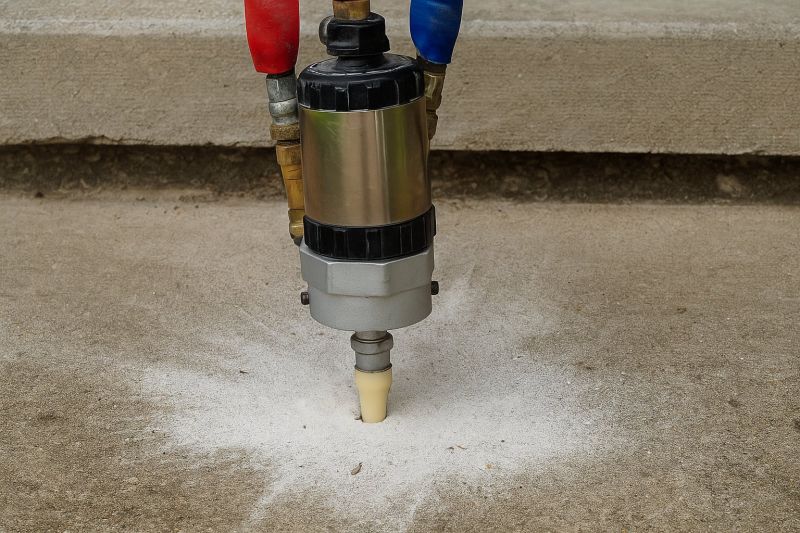
When comparing service providers for concrete slab mudjacking, it is important to consider their experience with similar projects. Contractors who have handled commercial concrete slabs comparable in size and condition are more likely to understand the specific challenges involved. An experienced local contractor can assess the unique needs of the slab, identify underlying issues, and recommend appropriate solutions. This familiarity can help ensure that the repair work is effective and durable, reducing the likelihood of future problems related to uneven or sinking slabs.
Clear written expectations are a vital aspect of choosing a reliable provider. A reputable contractor should be able to provide detailed descriptions of the mudjacking process, including the materials used, the scope of work, and the expected outcomes. Having this information in writing helps prevent misunderstandings and ensures that both parties are aligned on what the project entails. It also allows property owners to compare proposals more accurately and make informed decisions based on the scope and approach outlined by each service provider.
Good communication and reputable references are essential when evaluating local contractors for concrete slab mudjacking. Service providers who are transparent about their methods and willing to answer questions demonstrate professionalism and reliability. Additionally, seeking references or reviews from previous clients can provide insight into the contractor’s track record and the quality of their work. Engaging with providers who are responsive and have positive feedback can help ensure a smooth process and satisfactory results when addressing signs your commercial concrete slab needs mudjacking.
Property owners often search for signs your commercial concrete slab needs mudjacking when they are planning practical projects around their homes and businesses. Local pros provide Concrete Slab Mudjacking services for everyday jobs and straightforward project options.
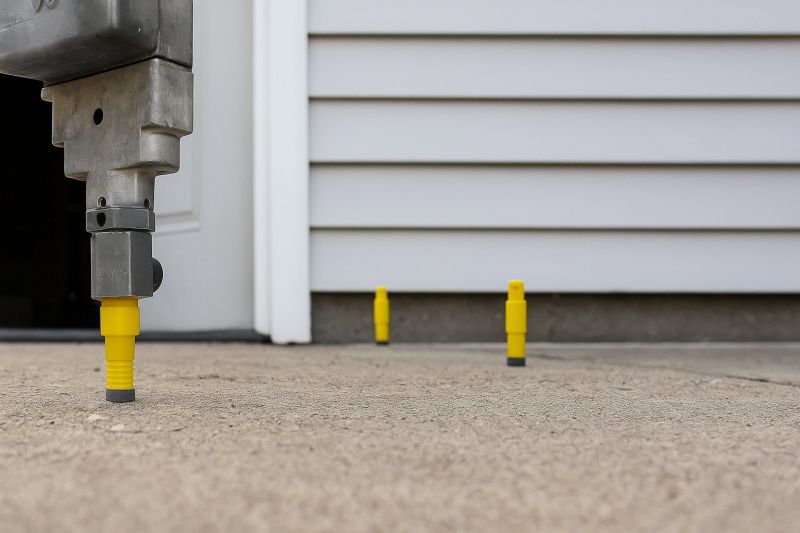
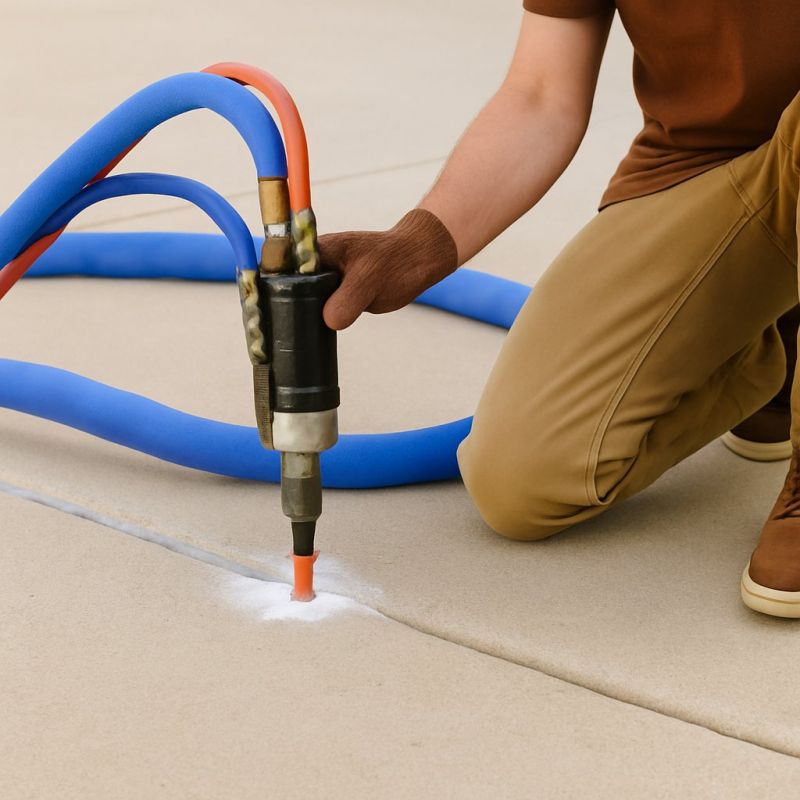
Property owners might notice uneven or sinking areas in their commercial concrete slabs, especially around entryways, loading docks, or parking lots. Cracks that widen over time or sections that appear to be shifting can also be signs that the concrete has settled or become unstable. When these issues develop, local contractors experienced in mudjacking can assess whether the unevenness is due to underlying soil conditions and determine if mudjacking is a suitable solution to restore the slab’s stability.
In addition to visible signs like cracks and settling, property owners may observe increased tripping hazards or difficulty in maintaining level surfaces. These issues can impact safety and accessibility, prompting a search for professional services that can lift and level the concrete efficiently. Local service providers specializing in mudjacking can evaluate the condition of the slab and recommend the appropriate approach to correct the problem, helping to improve safety and extend the lifespan of the concrete.
What are common visual signs indicating a commercial concrete slab needs mudjacking? Visible cracks, uneven surfaces, or sinking sections are typical signs that a concrete slab may require mudjacking services from local contractors.
Can noticeable settling or sinking of the slab signal the need for mudjacking? Yes, if parts of the concrete appear lower or have shifted, it often indicates underlying issues that local service providers can address with mudjacking.
Are cracks in the concrete a sign to consider mudjacking? Cracks, especially those that widen over time, can suggest the slab has shifted or settled, making mudjacking a potential solution offered by nearby contractors.
Is the presence of water pooling or drainage problems related to slab issues? Water pooling or poor drainage around the slab can cause erosion or shifting, which may require mudjacking from local professionals to stabilize the surface.
How do I know if the slab feels uneven or unstable underfoot? If the concrete feels uneven or wobbly when walked on, it could be a sign that mudjacking from local service providers is needed to restore stability.
Uneven surface - noticing cracks or cracks spreading across a concrete slab can indicate it has settled and may need mudjacking services from local contractors.
Standing water or pooling - areas where water collects after rain or cleaning suggest the slab has shifted, making mudjacking a practical solution.
Gaps or separation - visible gaps between the slab and adjacent structures or uneven edges can be signs that mudjacking could restore stability.
Cracks or damage - existing cracks or signs of deterioration in the concrete may mean it’s time for local service providers to evaluate and perform mudjacking.
If you are thinking about signs your commercial concrete slab needs mudjacking for a property, this guide is meant to help you understand this topic, the typical project types, and how different options might fit your plans.
When you are ready, you can use the quote form on this page to share a few details about your project. From there, local pros can review the basics and follow up with options that match what you have in mind.